

The future of buildings is low-tech and dumb
Good Star Wars movies give clues on how to design buildings to last for centuries.
Good Star Wars movies give clues on how to design buildings to last for centuries.

Why aren’t more people talking about BIM and design? How to design better. How to be a better architect. How to make beauty and art. How to be awesome.

Is there a difference between the various ways we consume information? Is one objectively superior? Here’s an example for you to ponder.
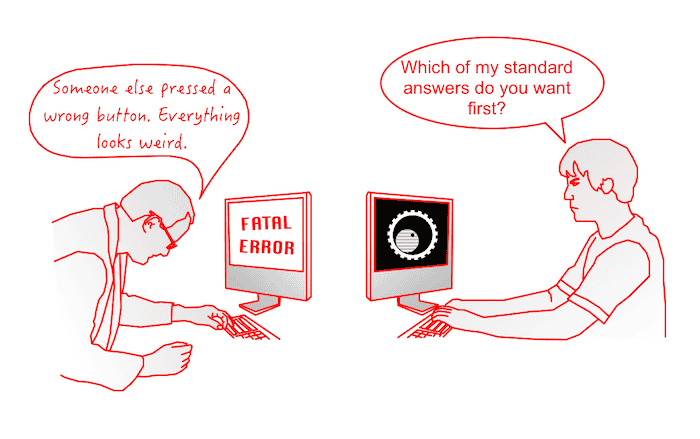
Not so long ago if you tried to talk to computers, people laughed at you. Now if you aren’t teaching yourself that skill, it might be too late to catch up.

Two projects from my time at school show how a strict adherence to digital or analog tools can lead to trouble. I learned a lesson and went with the tool that failed.
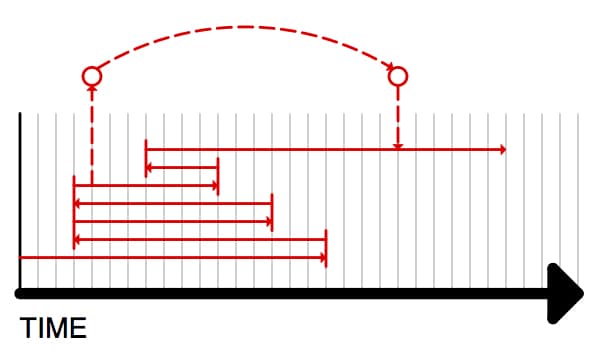
In this blog post I convince you to watch an (almost) 11 minute video on the Undo and Redo commands in ArchiCAD by talking to you about time travel.
Everything is about craft. Whether you are doing BIM or sharpening pencils, there is a right and a wrong way. There is a way to do it with care and a way to just half-ass it.

How does one design like an architect? Here’s a spoiler, the answer isn’t tool specific.

Some lessons from being too busy to write: remembering shortcuts by forgetting that I had forgotten them and suffering through the ugly BIM phase.
BIM should be the best tool for design, but it’s not. What’s holding us back? A lack of creativity isn’t helping.

If I get the opportunity to teach a studio or lecture class in an architecture school I know EXACTLY what I’d do. I even know the title of the class.

The organic future will not be what Hollywood has been telling you. Nor will it be like what most architects assume. This is a good thing. Here’s my article from the SCI-FI issue of CLOG that explains why.

From pencil to CAD to BIM, we have come a long way in the past fifty years. What makes BIM so special & different? Here is my working definition of BIM.

What does an architect look like when working? Architecture websites with images of architects sketching paint a pretty clear (and misleading) picture.
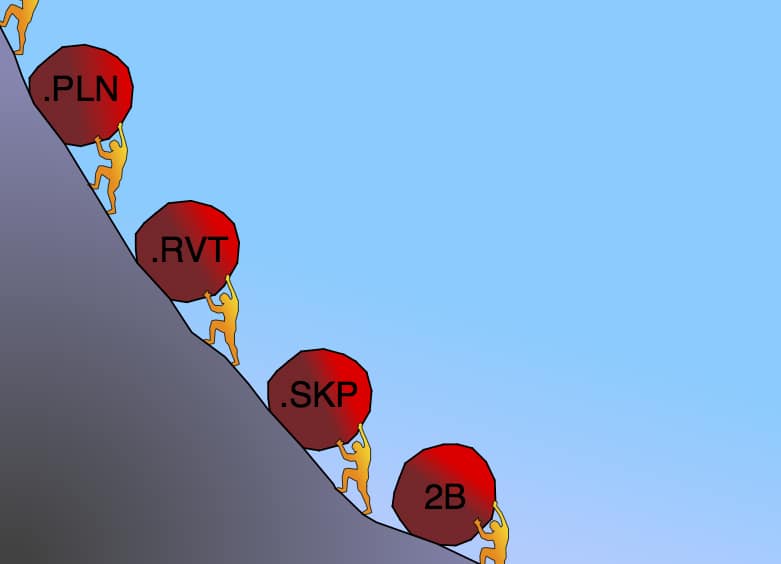
Can we distill the benefits of ArchiCAD, Revit, Sketchup, Hand drafting, etc. down by looking at simple architecture tool tests? I think so. Here’s why.
Two upcoming seminars on BIM reveal some problems we have in the architectural community.
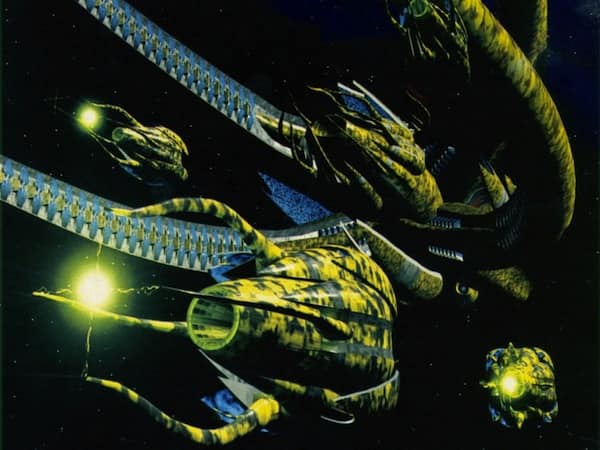
I just got my copy of CLOG: SCI-FI. It’s time to get yours. You did know I wrote an article for this issue, right? If not, learn more here. I can’t tell you how excited I am about that. Oh and equally important, check out this image. It is awesome. I really wanted to include David Lamont’s concept for the Vorlon Transport B as an image to go along with
I talk a lot about the future of practicing architecture. I’m really interested in how our tools and processes evolve. I am curious about what common frustrations we will soon no longer need to deal with. A lot of these changes are subtle. Others are a bit more overt. Here’s one example that comes to mind: the switch from film to digital cameras when photographing existing site conditions. Are you
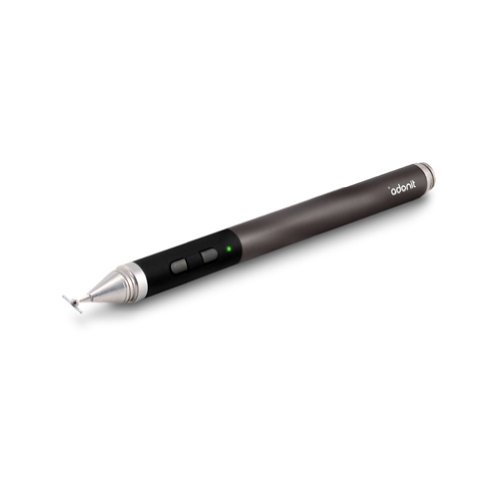
There are a lot of architects, designers, and drafters out there that aren’t convinced by my ruminations on better tools. Either they refuse to be persuaded or just feel the pencil has some ineffable qualities about it. Ineffable doesn’t cut it for me. And I don’t like stubbornness when it comes to expanding our understanding of what it means to be an architect in the 21st century. I’ve already tried

On Tuesday my plan was to eat breakfast, make dinner, take care of some admin stuff (emails, responding to post comments, order new business cards, etc.), finish a blog post, and then spend the rest of the day working on an article that’s due in a month. And if I had time, work on a proposal for some real architecture work (YES!). Well I ate breakfast and made an awesome
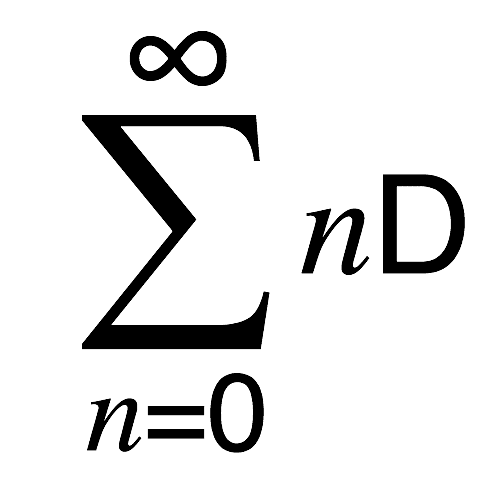
In my post about haptic feedback and architecture tools, I really wanted to go beyond haptics, but the post was already long enough. Haptic feedback is great and I am confident it is coming. But we can go further than that, and sooner. Right now we interact with BIM software through keyboards and mice. In the next few years we’ll be able to use touchscreens as well. Maybe some people
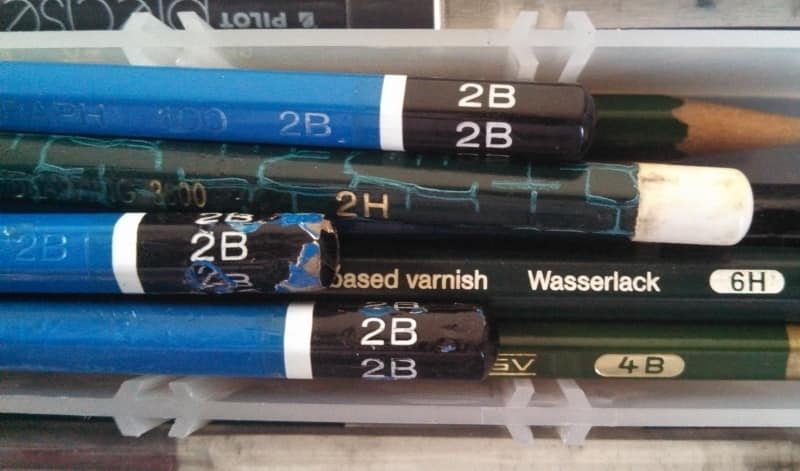
I spend a lot of time thinking about architects and their tools. Why? Because architects struggle to separate themselves from their tools. We see this regularly with job postings that stress software knowledge over process understanding. I find those postings extremely frustrating because it cuts out applicants with the wrong product names on their resume, limiting the potential hiring pool by the wrong criteria. That mindset is disappointing, but I don’t think
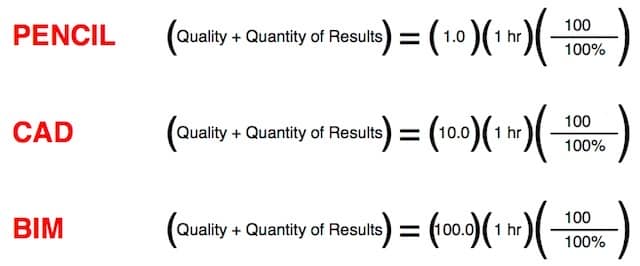
Today on Twitter, in response to this post about the most amazing BIMx model I’ve seen, I saw a Tweet that went like this: “4all their power computers are just tools #architects still need 2do the hard work of #design” Yes, but. Anyone who thinks using computers is about making things easier is wrong. Well maybe not wrong, but missing the bigger picture. Using computers (and technology in general) is
One of my goals this year was to write articles for places other than Shoegnome and BIM Engine (though I love writing for both those places, and you’ll start seeing new posts by me on the GSNA blog hopefully next week). I wanted to expand to both other places online and to print. I’ve had some success. And there are a few more in the works. Equally importantly I wanted

“We never want to do something twice… but at the same time, we’ve never done anything twice, so if we did do something twice, that might be cool.” -Thomas Bangalter Are you excited about the new Daft Punk album Random Access Memory coming out on May 21, 2013? I sure am. Let’s dissect a few things and relate it to what we talk about on Shoegnome. Specifically let’s see what
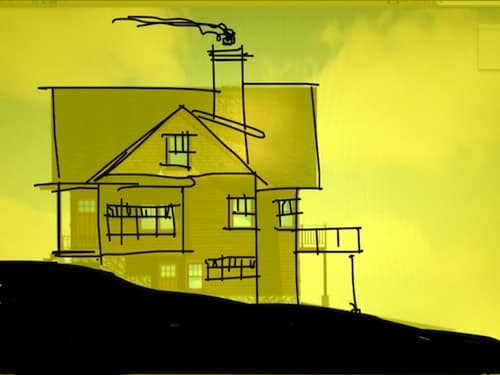
I’ve written another article for the AIA CRAN Chronicle. This time I talk about the relationship between residential architects and technology (for both design and production). Specifically I discuss what holds many small firms back from testing new methods and then I explore Morpholio Trace, which I find to be an interesting app that bridges the divide between digital and analog stalwarts. Enjoy the article. If you missed my first
We need to move away from printed documents. Not to save the forests and not to save on money, though those are nice benefits. We need to evolve beyond what we’ve always done because paper documents are so dumb, so inflexible, so 20th Century. We can do better. Why do we cram as many sections or details as possible on a sheet? We do this to save paper, to go