

AIA San Francisco is better than you local AIA Chapter
AIA San Francisco is better than you local AIA Chapter. But that’s only half the post. The rest is about 99% Invisible and the Radiotopia Kickstarter Campaign.
AIA San Francisco is better than you local AIA Chapter. But that’s only half the post. The rest is about 99% Invisible and the Radiotopia Kickstarter Campaign.

Over the past few months we’ve all been talking about people calling themselves architects. This is a very sensitive subject for so many reasons.

Has anyone noticed that obtaining the title of ‘Architect’ is not evaluated on the merit’s of one’s design, but how mathematically they grade within a set of standardized parameters?

No one gives a shit about you. Not until you give them a reason to. The pond is so big. The fish are so plentiful. The Internet connects all the fish, and all the ponds. And many of the fish are so hungry. Hungrier than others who haven’t faced defeat. Because defeat either ends us or makes us angry. And anger means it’s time to fight more.

Generation Y, the evolution of TVs from CRT to flat screen, kitchens that cook dinner for you, cars that drive themselves…this post covers a lot on how society and technology are stuck in an ever-accelerating feedback loop. Let’s do our part to make sure it’s a virtuous cycle.
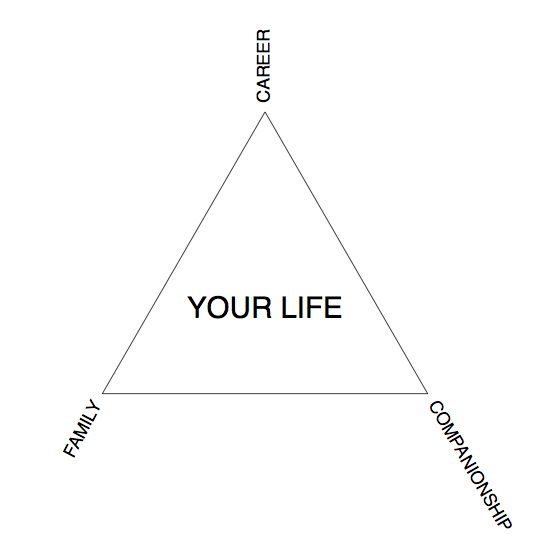
I’m failing to prioritize today. Instead of doing what I planned to do, I am trying to better explain the maelstrom that is Generation Y. Hopefully this will bring some clarity and insight. And yes, I realize the irony of writing this article and the article’s conclusion. Implementation is harder than understanding.

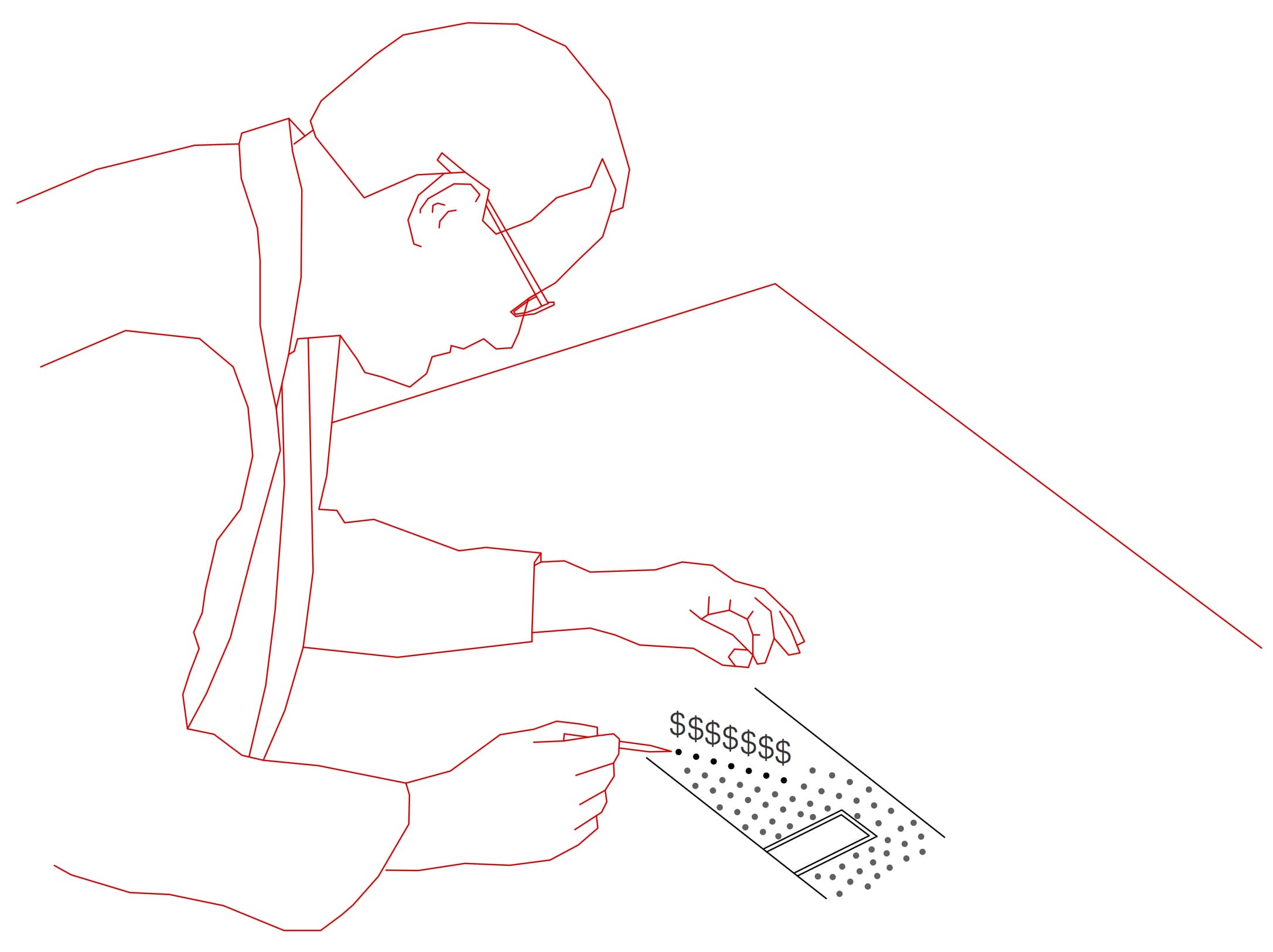
Priorities in the 21st Century Architecture Office When starting an architecture firm, you are confronted with a lot of expenses. How do you prioritize or justify where to spend your money? For the 21st Century Architecture Office, IT costs come before physical space costs. If you can’t afford the software you need to be successful, you shouldn’t be paying someone else for space. If you baulk at paying five, ten,

In addition to all the posts on Shoegnome and BIM Engine, I’ve had the pleasure to write for some other venues this year (both print and digital). I’m proud of all of those articles, but there are two that I’m exceedingly excited about. One’s not out yet, so I can’t say anything about it (other than that it’s awesome); but I can tell you about the other. I am thrilled
Okay so perhaps if you’re 100% going to retire in the next few years this doesn’t apply to you. But if you plan on working for sometime yet, you need to get with the latest technology, you need to accept that our profession involves and REQUIRES a mastery of technology. Here’s a great quote from Thomas Krowka, written on February 22, 2013 as part of my favorite LinkedIn thread: “Of

I talk with a lot of architects, interns, and people who studied architecture but went in different and/or non-traditional directions. There is a particular type of architect that comes up again and again in these conversations. A prototypical architect that we all seem to measure ourselves against: the Natural Architect. But that’s not the right term (we’ll get to that in a moment). Read the comments of my previous posts

I’ve been using ArchiCAD since 2006. Over 7 years now… kind of surreal and surprising. I first modeled in 3D on a computer back in 1994. I was 13 and my older brother acquired a copy of 3D Studio R4 for me. Best not to think too hard about that one. But even by then I was already quite familiar with 2D drafting. I first used AutoCAD in 1987 or
I’ve seen into the Chasm. It’s beautiful, ambitious, and not the architectural graduates of times past. Back in January I had coffee with two students from the University of Minnesota that I’m mentoring. I asked them a question, “do you have any classmates who still say ‘I can’t wait to graduate and start designing buildings!’?” The answers: “We’re not allowed to be that optimistic” and “There are people who say

 The Generation Y Architect In February 2012, during a session at the AIA Minnesota Leadership Forum, I discovered that I am a stereotype. Painfully so. I am Generation Y. In a room with fifteen Generation X architects, I was the oddball. It happened again when I was at the AIA Minnesota Board Retreat eight months later. It was a room of fifty architects. We had to order a list of

The traditional paths for a bright-eyed go-getter were virtually non-existent; both design opportunities and client interactions were meager and sparse.