
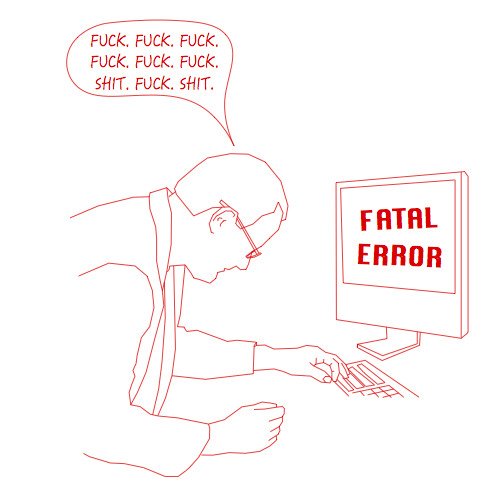
Your first task when switching to BIM
When learning BIM, the first task is always the same, no matter what program you use or why you made the switch.

When learning BIM, the first task is always the same, no matter what program you use or why you made the switch.

Most people don’t understand drawings the way architects do. This was made extra clear to me recently when I sat down with some prospective clients.

Why aren’t more people talking about BIM and design? How to design better. How to be a better architect. How to make beauty and art. How to be awesome.

Jon recalls the transition from hand drafting to CAD and sees some frightening similarities to our current struggle with the shift from CAD to BIM.

“…we managed to build a complex project with only 2 architects, even with the normal challenges of having to get acquainted with a new software.”

BIMx Pro pricing explained perfectly, and simply. The pricing has been fixed. It’s time to use BIMx Pro on every project. Read on…


Have you and all your collaborators watched this video about OpenBIM and why the AEC industry needs to change? I’m going to guess no.

3D Printing Buildings is quickly becoming a reality. Guest blogger Crawford Smith looks at three current trendsetters.

BIM should be the best tool for design, but it’s not. What’s holding us back? A lack of creativity isn’t helping.

Is there a benefit for Engineers and Architects to both use Revit? I think that’s a legit question. Are there benefits beyond standard BIM advantage?

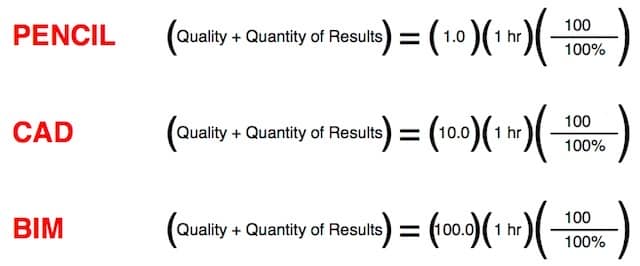
From pencil to CAD to BIM, we have come a long way in the past fifty years. What makes BIM so special & different? Here is my working definition of BIM.

It’s time that all architects switch to BIM. This is 2014 after all. Are you in? Or are you going to quit?

I wrote an article for Architect Magazine on BIM for Emerging Firms. You should read an article in Architect Magazine on BIM for Emerging Firms.
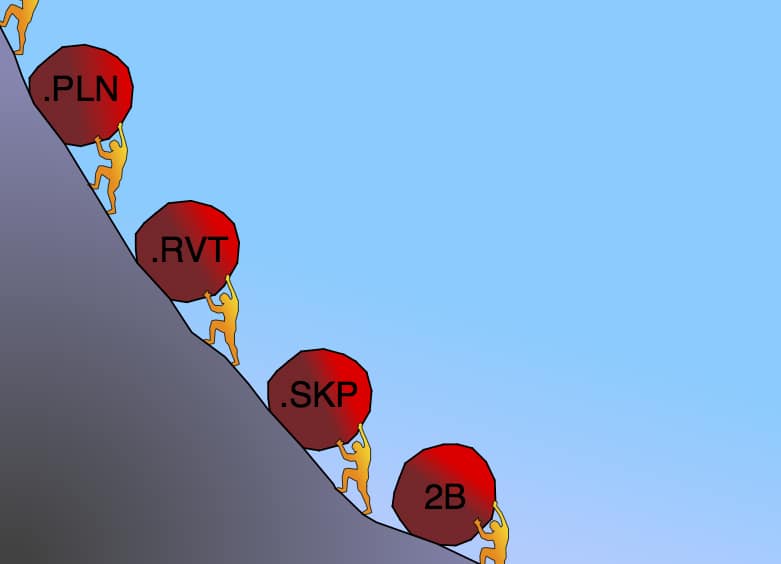
Can we distill the benefits of ArchiCAD, Revit, Sketchup, Hand drafting, etc. down by looking at simple architecture tool tests? I think so. Here’s why.

Two upcoming seminars on BIM reveal some problems we have in the architectural community.

I was reading The Economist today. The specific article was on the origins of warfare and about whether humans are inherently warlike. The good news is that we are probably not predisposed to war, unless we are part of the Tiwi people… The article is worth a read. But here’s the quote that got me thinking about our recent discussions: “The machine gun is so much more lethal than the
Today on Twitter, in response to this post about the most amazing BIMx model I’ve seen, I saw a Tweet that went like this: “4all their power computers are just tools #architects still need 2do the hard work of #design” Yes, but. Anyone who thinks using computers is about making things easier is wrong. Well maybe not wrong, but missing the bigger picture. Using computers (and technology in general) is

Jared’s Note: Shivang originally wrote this with his ArchiCAD students in India in mind. The issues are universal so I thought about shortening the title to just “Top 9 BIM Myths”, but I really like that the original title highlights that we’re all facing the same BIM implementation challenges all over the world. Whether Boston or Bangalore, we’re all fighting the same fight, trying to get everyone to see the

We need to move away from printed documents. Not to save the forests and not to save on money, though those are nice benefits. We need to evolve beyond what we’ve always done because paper documents are so dumb, so inflexible, so 20th Century. We can do better. Why do we cram as many sections or details as possible on a sheet? We do this to save paper, to go

Priorities in the 21st Century Architecture Office When starting an architecture firm, you are confronted with a lot of expenses. How do you prioritize or justify where to spend your money? For the 21st Century Architecture Office, IT costs come before physical space costs. If you can’t afford the software you need to be successful, you shouldn’t be paying someone else for space. If you baulk at paying five, ten,

If you have six minutes, please do yourself a favor and watch this video. But instead of thinking about video games, think about BIM adoption in firms. Specifically think about people learning ArchiCAD, Revit, or one of the other BIM authoring tools out there. Here’s the best analogy from the video, or an approximation at least. If you’re under 40, you’ve probably played Street Fighter II. Or something very similar.

Okay so perhaps if you’re 100% going to retire in the next few years this doesn’t apply to you. But if you plan on working for sometime yet, you need to get with the latest technology, you need to accept that our profession involves and REQUIRES a mastery of technology. Here’s a great quote from Thomas Krowka, written on February 22, 2013 as part of my favorite LinkedIn thread: “Of

While writing a post about a former coworker, I paused to create a few diagrams explaining why others in his position often fail to make the switch to ArchiCAD and BIM. These three diagrams help illustrate what causes people to panic during their early adventures with a new way of working. A note about the fail line. People who give up at this point typically keep spinning their wheels without
If you’re an optimist, then you’ll have to agree that the best architecture awaits us in the future. I’m an optimist. I’m a romantic too, so I’ll always dream of and love the great buildings of our forefathers. My three favorite buildings are probably the Kimbell Art Museum, the Library at Phillips Exeter Academy (both by Louis Kahn, obviously), and the Sainte-Geneviève Library in Paris by Henri Labrouste. Well they are in
Why do some firms embrace BIM and rave about its benefits while other firms try BIM and fail miserably? We all know this diagram: But here’s another diagram. This is the one that describes firms that panic, firms that succumb to Fear, Uncertainty, and Dread (FUD), firms that after one or two attempts let their boxes of Revit 2010 get dusty on the shelves or backslide into using ArchiCAD 12
This post on Stefan Boeykens’ blog is a must read for all of us interested in BIM. It’s a great list of 10 tips for using BIM during the early phases of projects. Think about it. We’ve all seen the diagram below. It’s that first part where we architects have the most say, have the most fun, and can do the most good. What’s my favorite tip? What’s the clear proof